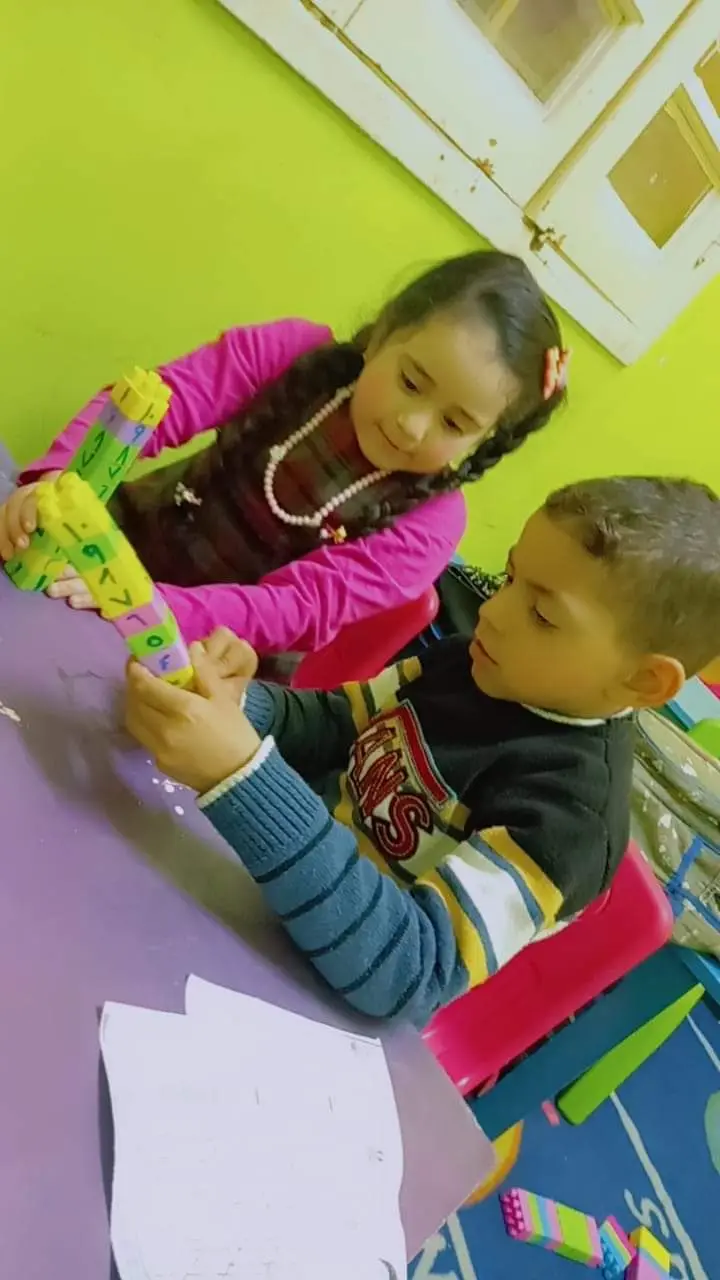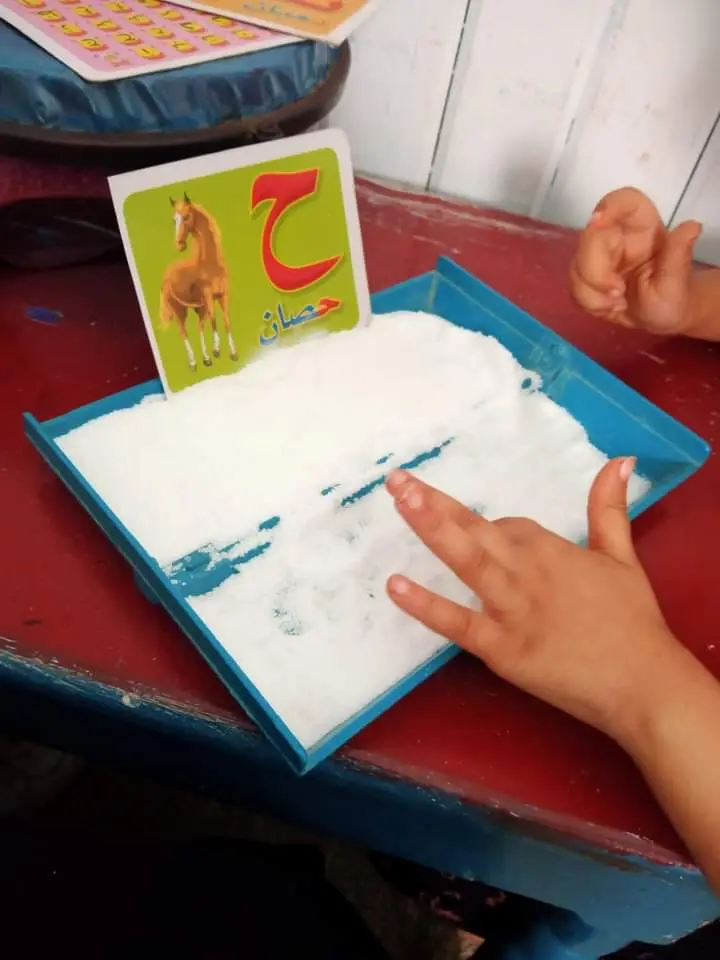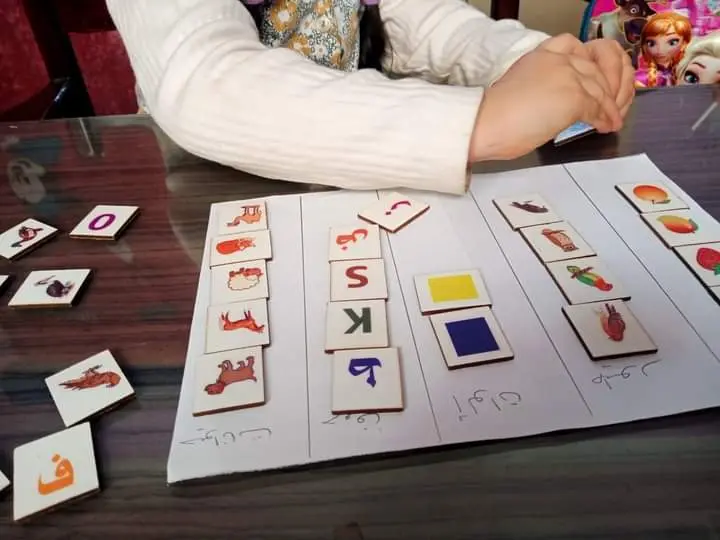
Learning Difficulties in Children and Adults, and How to Overcome Them
This report is from our 2023 archive. See what the Foundation does now.
Translated from Arabic. Read the original.
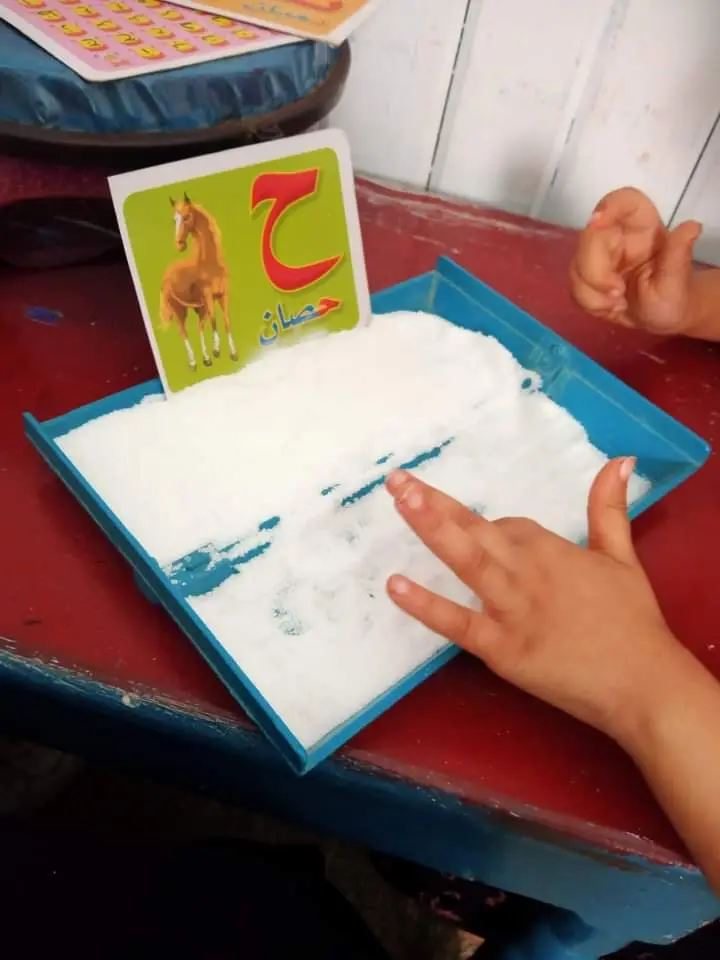
Causes of learning difficulties:
Severe head injuries that can cause problems in the brain and affect mental and intellectual capacity.
Nutritional problems resulting in a deficiency of elements vital to healthy nerves.
Abuse, criticism or bullying of the child, which creates psychological complexes that make the problem worse.
Lead poisoning.
The mother's use during pregnancy of medicines or drugs that affect the child's nervous system.
Infection of the nervous system, inflammation of the brain or similar conditions.
Undergoing treatment programmes for chronic and intractable diseases such as tumours.
Down syndrome.
Symptoms of learning difficulties in children
Learning difficulties begin in early childhood and, if not addressed, remain an obstacle to any academic success. To establish whether they are present and to identify them, the symptoms that indicate them should be observed; they can be divided as follows:
Early symptoms in the pre-school stage
These include several features related to the child's motor or language development in the first years after the age of three, the most notable being:
Delay in saying complete words or sentences.
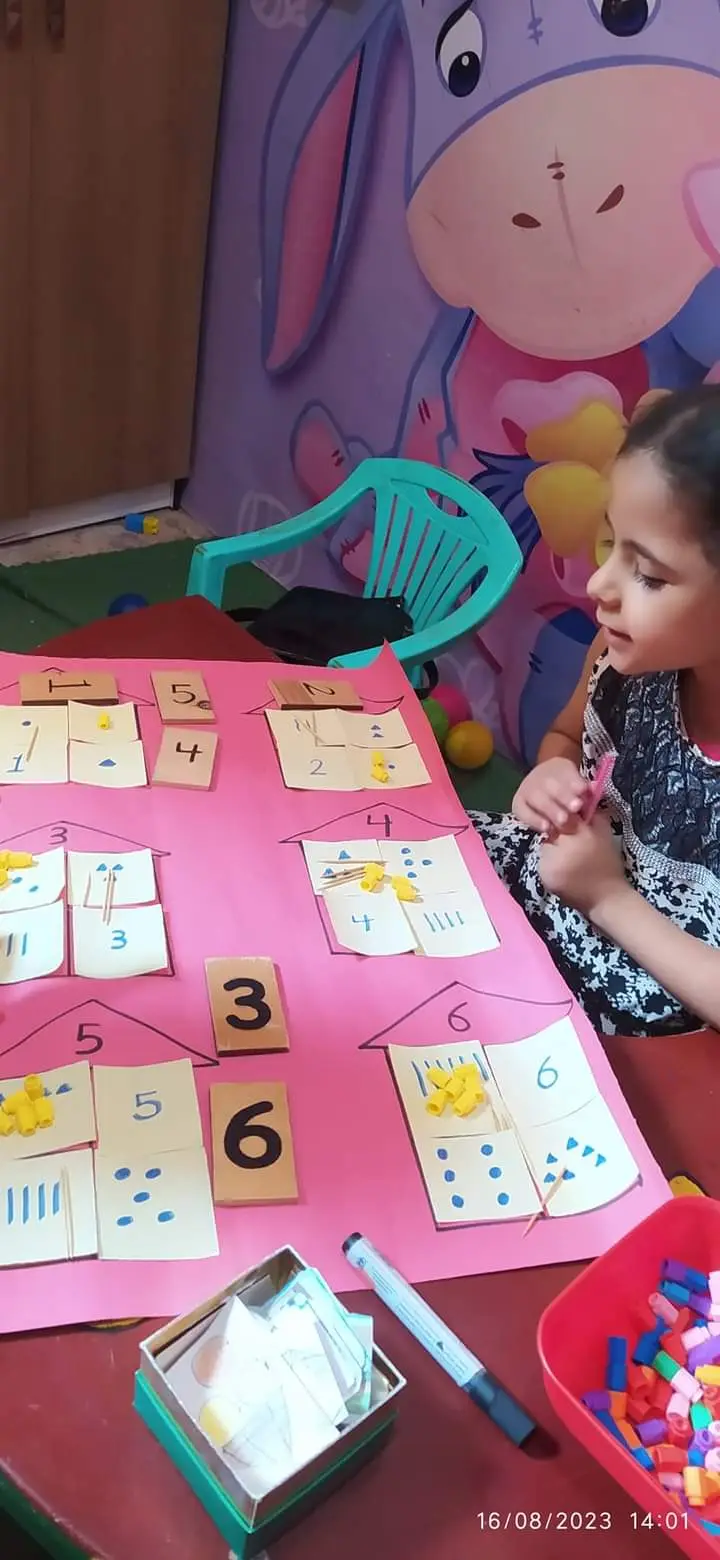
Inability to learn numbers and colours and to tell them apart.
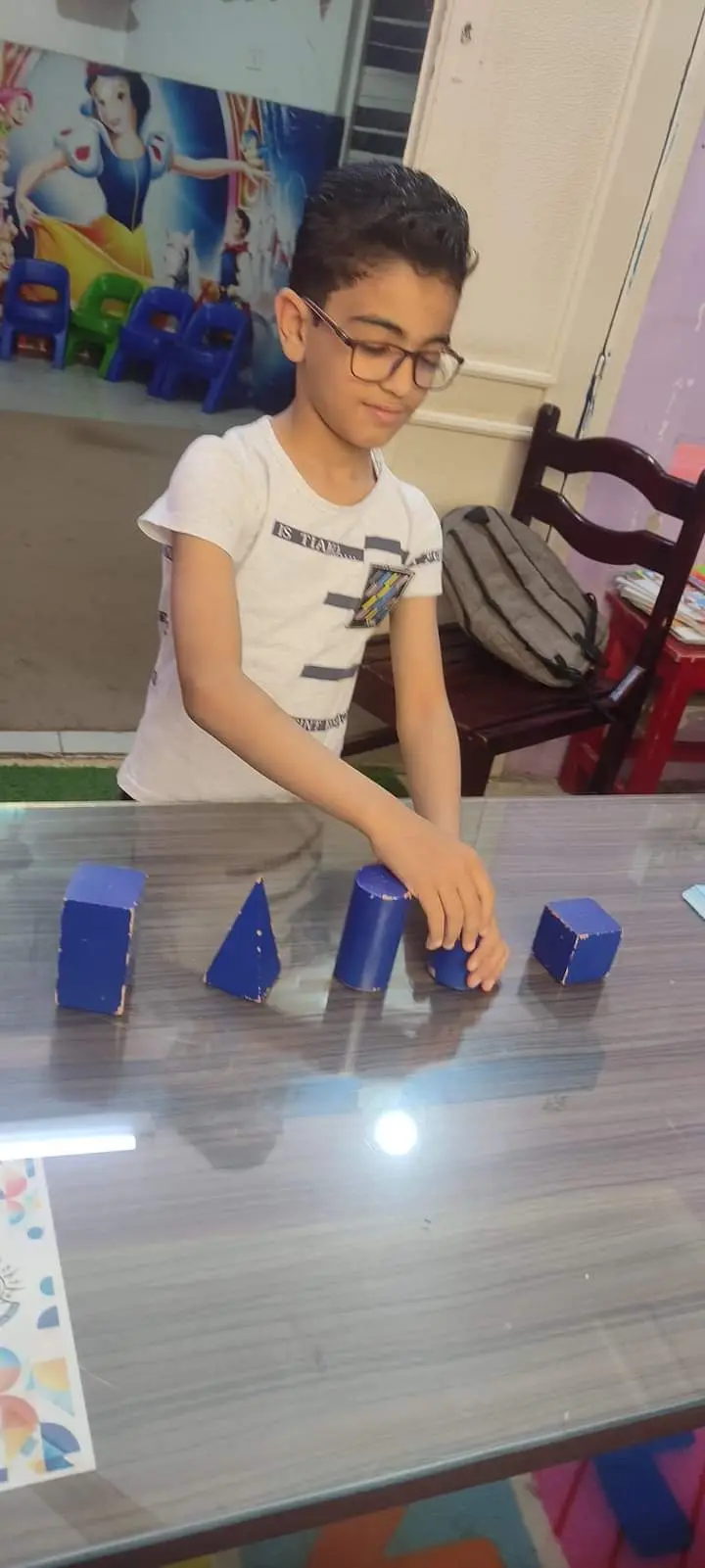
Difficulty learning geometric shapes and the days of the week.
Difficulty understanding and following directions.
Difficulty handling colouring pencils.
Apparent inability to manage buttons, zips and tying shoelaces.
Symptoms appearing during basic education, from age 5 to 13
These include several problems in learning that prevent the child from passing examinations or moving smoothly between stages of education, the most important being:
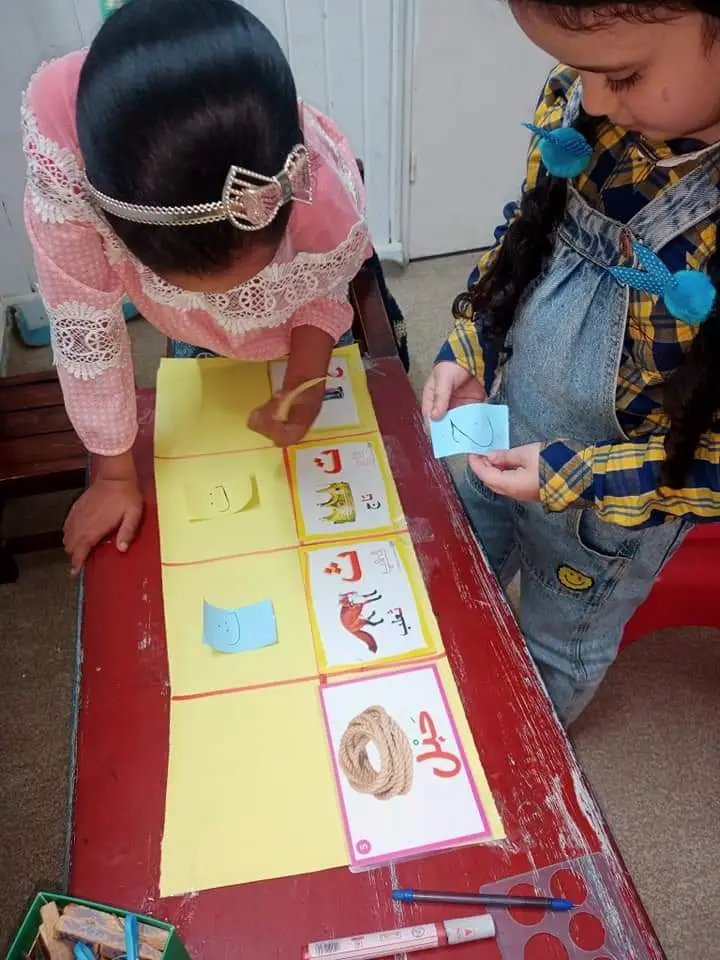
Inability to read and difficulty joining words together.
Trouble blending sounds and changing vowels when pronouncing words.
Delay in acquiring new skills.
Making spelling mistakes and repeating the same mistakes.
Difficulty understanding and performing simple, basic arithmetic.
Spelling the same word differently.
Inability to organise or arrange.
Inability to understand sequential relationships and to tell the time.
Difficulty answering open questions
Inability to discuss or to show understanding of information.
Poor handwriting and an aversion to writing and reading, especially reading aloud.
Symptoms of learning difficulties in children
Diagnosing learning difficulties
Learning difficulties are diagnosed through several procedures and tests, the most important being:
Recording observations and reports on academic performance.
Scientific tests measuring different attainment abilities.
Monitoring the pupil's academic progress.
Carrying out examinations that rule out medical problems in the pupil.
Administering tests such as screening tests, individual tests or standardised tests intended to identify weaknesses and pinpoint the difficulties the pupil faces.
Treating learning difficulties
Treating learning difficulties requires integrated work across several strands and mechanisms, which vary from case to case according to the degree and type of difficulty. Important measures in this regard include:
Identifying the difficulties the pupil experiences in learning.
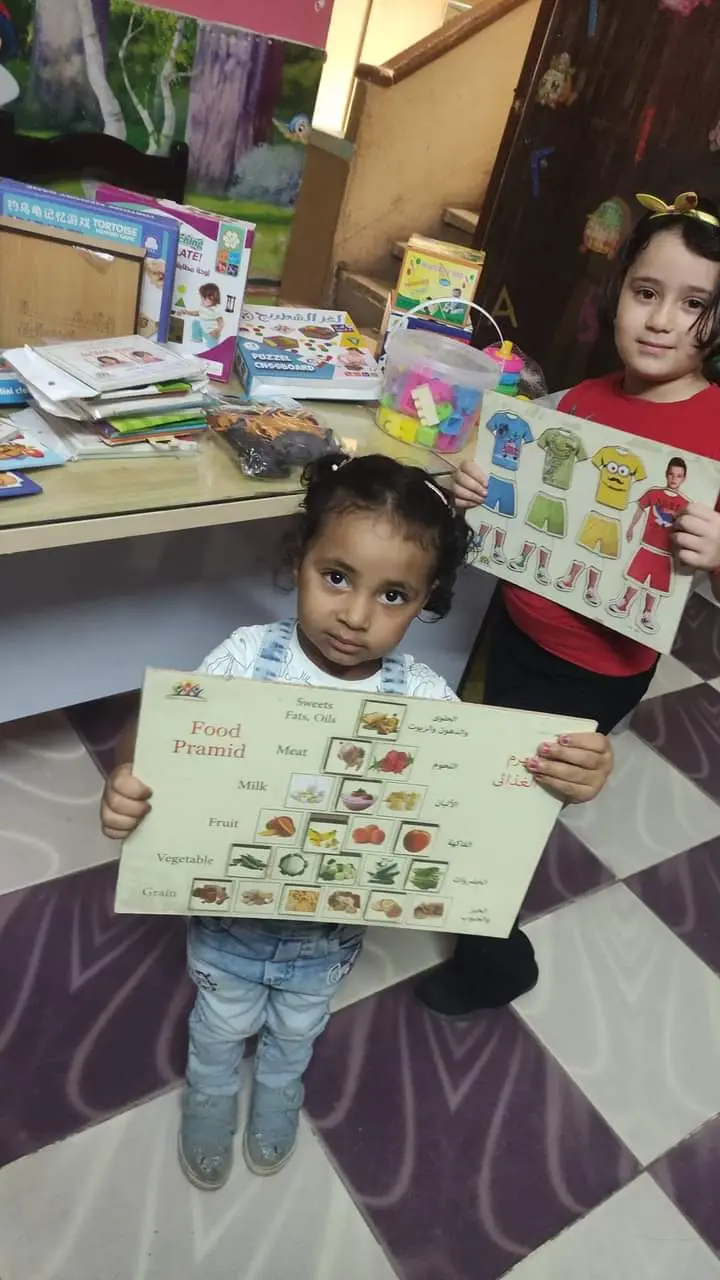
Investigating and improving his state of health through healthy nutrition and the supplements needed to make up any deficiency in vital elements such as vitamins or minerals.
Psychological support from parents and teachers.
Not blaming or bullying the pupil.
Not comparing the pupil with siblings or classmates.
Giving him more attention and dedicated sessions aimed at improving his performance.
Concentrating effort and directing it to the pupil individually, for example through one-to-one lessons.
Varying the ways information is delivered until the method that suits the pupil is found, and then keeping to it.
Providing special assistance to a pupil with a particular difficulty, such as giving him more opportunity to think and concentrate, more time to answer questions, and support from the teacher.
This brings us to the end of our article on learning difficulties, in which we have set out the best ways of dealing with them and improving them, in order to help the child who experiences them get through the stages of education.
Sources:-
mencap
goodtherapy
 8
8