Autism in children
This report is from our 2023 archive. See what the Foundation does now.
Translated from Arabic. Read the original.
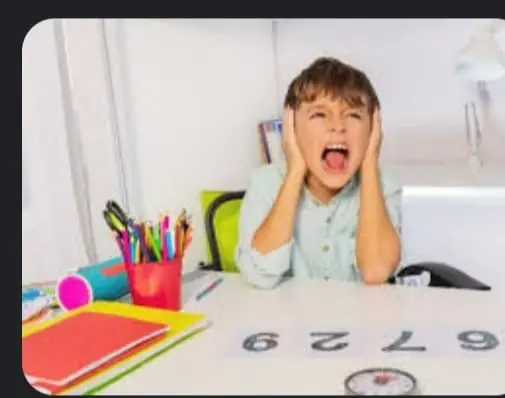
How do I know whether my child has autism (ASD)? And what does it have to do with severe crying or anger episodes????
- Autism in children:
Causes of crying episodes in children with autism
Crying episodes are among the most significant signs that your child has autism; indeed, they are a warning sign of an advanced stage of autism. That makes them an urgent signal, and you need to know how to modify screaming behaviour in children with autism.
Steps for modifying screaming behaviour in children with autism
The first step in calming crying and anger episodes and modifying screaming behaviour in children with autism is to understand what drives the behaviour. Once you have identified the cause of your child's outburst, you can make some changes in the way you respond.
Tips for handling the behaviour of a child with autism
When your child has an episode of crying and screaming, you rush to stop it, because it hurts your heart and your feelings, or because your patience has run out and you want quiet, or because you feel embarrassed in front of the people around you.
Steps for modifying screaming behaviour in children with autism
Hearing a child cry can distress anyone, but crying episodes in children with autism are more likely than others to cause anxiety and distress to those around them. If you are facing this, the article below sets out the steps for modifying screaming behaviour in children with autism.
What is autism, and what are its symptoms and challenges?
Autism spectrum disorder (ASD) is a developmental disability. Children with autism often have difficulties with social communication and certain particular interests, which are explained in this article. Children with autism may have different ways of learning, moving or paying attention, which can make life very difficult.
The challenge of communication and social interaction skills in children with autism:
Social interaction and communication skills can be a challenge for children with autism, as follows:
Does not respond to their name by nine months of age.
Avoids eye contact, or does not maintain it.
Does not show facial expressions such as happiness, sadness or anger.
Does not play any interactive games.
Does not share their interests with others.
Shows no concern when other people are hurt.
Does not take part in activities in the way other children do.
The challenge of restricted or repetitive behaviours and interests:
Some children with autism may have behaviours and interests that appear unusual. Alongside communication and social interaction skills, these behaviours may distinguish a child with autism from a typically developing child.
Examples of restricted or repetitive behaviours and interests associated with autism spectrum disorder include:
Becoming distressed by change, even minor change.
Focusing on particular parts of an object or body they are looking at.
Flapping the hands or stiffening the body.
Playing certain games in exactly the same way every time.
Repeating words or phrases over and over.
Unusual reactions.
Symptoms of autism in children:
Most children with autism have some further symptoms, which may include:
Delayed language skills.
Delayed motor skills.
Delayed cognitive or learning skills.
Hyperactive, impulsive or listless behaviour.
Epilepsy or seizures.
Unusual eating and sleeping habits.
Digestive problems, such as constipation.
Disturbed mood or emotional reactions.
Anxiety or tension.
Feeling no fear at all, or more fear than would be expected.
These symptoms may go further still, extending to a kind of meltdown or anger episode. Such episodes involve a great deal of screaming or crying, along with heavy sweating and many clear signs of distress. So how do I handle it …
#Egyptian_Foundation_for_Development_and_Quality
#Building_people_builds_the_world
#Efdq


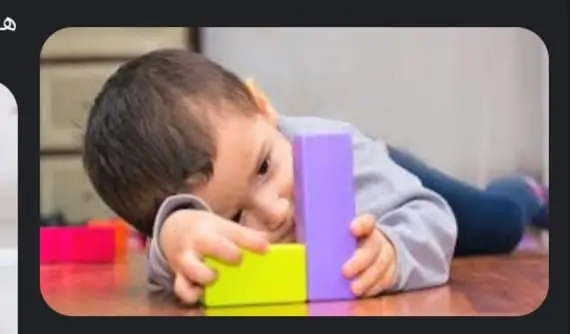
- Autism in children:
Causes of crying episodes in children with autism
Crying episodes are among the most significant signs that your child has autism; indeed, they are a warning sign of an advanced stage of autism. That makes them an urgent signal, and you need to know how to modify screaming behaviour in children with autism.
Steps for modifying screaming behaviour in children with autism
The first step in calming crying and anger episodes and modifying screaming behaviour in children with autism is to understand what drives the behaviour. Once you have identified the cause of your child's outburst, you can make some changes in the way you respond.
Tips for handling the behaviour of a child with autism
When your child has an episode of crying and screaming, you rush to stop it, because it hurts your heart and your feelings, or because your patience has run out and you want quiet, or because you feel embarrassed in front of the people around you.
Steps for modifying screaming behaviour in children with autism
Hearing a child cry can distress anyone, but crying episodes in children with autism are more likely than others to cause anxiety and distress to those around them. If you are facing this, the article below sets out the steps for modifying screaming behaviour in children with autism.
What is autism, and what are its symptoms and challenges?
Autism spectrum disorder (ASD) is a developmental disability. Children with autism often have difficulties with social communication and certain particular interests, which are explained in this article. Children with autism may have different ways of learning, moving or paying attention, which can make life very difficult.
The challenge of communication and social interaction skills in children with autism:
Social interaction and communication skills can be a challenge for children with autism, as follows:
Does not respond to their name by nine months of age.
Avoids eye contact, or does not maintain it.
Does not show facial expressions such as happiness, sadness or anger.
Does not play any interactive games.
Does not share their interests with others.
Shows no concern when other people are hurt.
Does not take part in activities in the way other children do.
The challenge of restricted or repetitive behaviours and interests:
Some children with autism may have behaviours and interests that appear unusual. Alongside communication and social interaction skills, these behaviours may distinguish a child with autism from a typically developing child.
Examples of restricted or repetitive behaviours and interests associated with autism spectrum disorder include:
Becoming distressed by change, even minor change.
Focusing on particular parts of an object or body they are looking at.
Flapping the hands or stiffening the body.
Playing certain games in exactly the same way every time.
Repeating words or phrases over and over.
Unusual reactions.
Symptoms of autism in children:
Most children with autism have some further symptoms, which may include:
Delayed language skills.
Delayed motor skills.
Delayed cognitive or learning skills.
Hyperactive, impulsive or listless behaviour.
Epilepsy or seizures.
Unusual eating and sleeping habits.
Digestive problems, such as constipation.
Disturbed mood or emotional reactions.
Anxiety or tension.
Feeling no fear at all, or more fear than would be expected.
These symptoms may go further still, extending to a kind of meltdown or anger episode. Such episodes involve a great deal of screaming or crying, along with heavy sweating and many clear signs of distress. So how do I handle it …
#Egyptian_Foundation_for_Development_and_Quality
#Building_people_builds_the_world
#Efdq