
Behaviour Modification
This report is from our 2023 archive. See what the Foundation does now.
Translated from Arabic. Read the original.
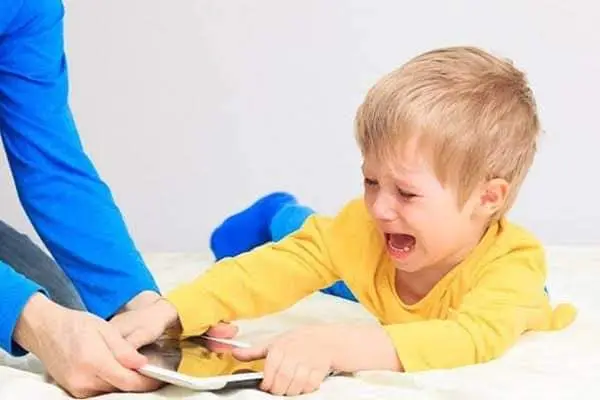
What does behaviour modification mean?
Behaviour modification is a form of therapy based on the principle of operant conditioning, which aims to replace unwanted behaviours with other, more desirable ones.
What are the methods of modifying children's behaviour?
Approaches to applying behaviour modification methods differ, but these methods can succeed provided the causes are not intellectual. They are:
1- Reinforcement:
This is a procedure that helps strengthen the required and desired behaviour so that it occurs more often. It has several types, the most important being:
Positive reinforcement:
A stimulus that follows a particular behaviour immediately and increases the likelihood of that behaviour occurring again in the same and similar situations.
Negative reinforcement:
After the required and desired behaviour occurs, the unpleasant stimulus that the child dislikes must be removed.
Social reinforcement:
Natural stimuli that follow the required and desired behaviour immediately, such as praise, a kiss, a smile and other forms of commendation.
2- Modelling:
This is children observing the behaviour of others and imitating it, by showing them various positive models that attract their attention in order to teach them good and correct behaviour. For example, a child who is afraid of heights is shown a film of a child who is not afraid of heights, and he imitates him.
3- Extinction:
When the child behaves in an unwanted way, the parents must ignore that behaviour
so that the child stops seeking attention by crying for no reason. For example, when the child's unwanted behaviour is ignored it stops gradually.
4- Time-out:
When the child behaves in an unwanted way, all positive reinforcers must be removed for a set period immediately after the bad behaviour occurs. This can be done through isolation. Isolation here means placing the child in a room of his own containing no reinforcers of any kind, so that he stops that unwanted behaviour. Or he may be separated from his friends and prevented from interacting with them, made to watch them while they play, with everything he does during that time ignored. Or the child may be prevented from doing a particular activity he likes when he behaves in an unwanted way. When children behave incorrectly and undesirably they should be guided to correct their own mistakes. An example of correcting mistakes: if the child spills water on the floor he should be directed to clean the place himself.
5- Reciprocal inhibition:
Stopping two linked behaviours, both linked because their responses overlap, by substituting a poor response for a good one. This works in cases of bed-wetting: the child wakes from sleep in order to urinate, so the urination stops as soon as he wakes; that is, waking stops the urination and the urination stops the sleep, reciprocally.
6 – Satiation:
This means the child receives a large quantity of the same reinforcer over a period of time until the reinforcer loses its value and importance. An example: a child pretends to be ill as an excuse not to go to school and asks his family to admit him to hospital for three or four days, so the family admits him for longer, and the child stops pretending and stops this bad behaviour.
7- Negative practice:
When the child performs a particular unwanted behaviour that is to be reduced and stopped, the family asks him to repeat the unwanted behaviour continuously for a set period until the behaviour becomes irritating and distasteful to him.
8- Changing the stimulus:
Some unwanted behaviours result from particular environmental conditions, so we modify and change the environmental conditions in which those behaviours occur.
An example: two pupils who always quarrel because they sit next to each other, so we separate them by placing another pupil between them.
9- Withholding:
When the child behaves in an unwanted way we must withhold from him and prevent him from getting anything he wants. An example: the child who wants to go out without doing his homework, or who hits his brother for no reason, is denied going out or playing.
10 – Punishment:
When the child behaves in an unwanted way we must take a step to reduce and stop that behaviour, but before doing so we must know how, when and with whom to use punishment. Some children stop the unwanted behaviour, while others increase the unacceptable behaviour. Punishment may take the form of verbal reproach, or of gestures, signals and facial expressions.
Punishment for bad behaviour may also take the form of very mild physical punishment such as pressing the hand or fingers, but this should not be used repeatedly, and only if all the previous methods have failed to stop the child's unacceptable behaviour. Care must be taken that physical punishment does not cause the child any harm, and that its effects do not rebound negatively on his behaviour, leading him to be stubborn and to continue the unacceptable behaviour.
miss nada mansour
What does behaviour modification mean?
Behaviour modification is a form of therapy based on the principle of operant conditioning, which aims to replace unwanted behaviours with other, more desirable ones.
What are the methods of modifying children's behaviour?
Approaches to applying behaviour modification methods differ, but these methods can succeed provided the causes are not intellectual. They are:
1- Reinforcement:
This is a procedure that helps strengthen the required and desired behaviour so that it occurs more often. It has several types, the most important being:
Positive reinforcement:
A stimulus that follows a particular behaviour immediately and increases the likelihood of that behaviour occurring again in the same and similar situations.
Negative reinforcement:
After the required and desired behaviour occurs, the unpleasant stimulus that the child dislikes must be removed.
Social reinforcement:
Natural stimuli that follow the required and desired behaviour immediately, such as praise, a kiss, a smile and other forms of commendation.
2- Modelling:
This is children observing the behaviour of others and imitating it, by showing them various positive models that attract their attention in order to teach them good and correct behaviour. For example, a child who is afraid of heights is shown a film of a child who is not afraid of heights, and he imitates him.
3- Extinction:
When the child behaves in an unwanted way, the parents must ignore that behaviour
so that the child stops seeking attention by crying for no reason. For example, when the child's unwanted behaviour is ignored it stops gradually.
4- Time-out:
When the child behaves in an unwanted way, all positive reinforcers must be removed for a set period immediately after the bad behaviour occurs. This can be done through isolation. Isolation here means placing the child in a room of his own containing no reinforcers of any kind, so that he stops that unwanted behaviour. Or he may be separated from his friends and prevented from interacting with them, made to watch them while they play, with everything he does during that time ignored. Or the child may be prevented from doing a particular activity he likes when he behaves in an unwanted way. When children behave incorrectly and undesirably they should be guided to correct their own mistakes. An example of correcting mistakes: if the child spills water on the floor he should be directed to clean the place himself.
5- Reciprocal inhibition:
Stopping two linked behaviours, both linked because their responses overlap, by substituting a poor response for a good one. This works in cases of bed-wetting: the child wakes from sleep in order to urinate, so the urination stops as soon as he wakes; that is, waking stops the urination and the urination stops the sleep, reciprocally.
6 – Satiation:
This means the child receives a large quantity of the same reinforcer over a period of time until the reinforcer loses its value and importance. An example: a child pretends to be ill as an excuse not to go to school and asks his family to admit him to hospital for three or four days, so the family admits him for longer, and the child stops pretending and stops this bad behaviour.
7- Negative practice:
When the child performs a particular unwanted behaviour that is to be reduced and stopped, the family asks him to repeat the unwanted behaviour continuously for a set period until the behaviour becomes irritating and distasteful to him.
8- Changing the stimulus:
Some unwanted behaviours result from particular environmental conditions, so we modify and change the environmental conditions in which those behaviours occur.
An example: two pupils who always quarrel because they sit next to each other, so we separate them by placing another pupil between them.
9- Withholding:
When the child behaves in an unwanted way we must withhold from him and prevent him from getting anything he wants. An example: the child who wants to go out without doing his homework, or who hits his brother for no reason, is denied going out or playing.
10 – Punishment:
When the child behaves in an unwanted way we must take a step to reduce and stop that behaviour, but before doing so we must know how, when and with whom to use punishment. Some children stop the unwanted behaviour, while others increase the unacceptable behaviour. Punishment may take the form of verbal reproach, or of gestures, signals and facial expressions.
Punishment for bad behaviour may also take the form of very mild physical punishment such as pressing the hand or fingers, but this should not be used repeatedly, and only if all the previous methods have failed to stop the child's unacceptable behaviour. Care must be taken that physical punishment does not cause the child any harm, and that its effects do not rebound negatively on his behaviour, leading him to be stubborn and to continue the unacceptable behaviour.
miss: nada mansour
#EgyptianFoundationForDevelopmentAndQuality
#EFDQ_Kindergarten
#Small_But_Our_Determination_Is_Great
#Your_Child_Is_Our_Responsibility
#Able_Though_Different
#Skills_Development
#Maher_Nasr_Centre
#EgyptianFoundationForDevelopmentAndQuality
#Always_Moving_Forward_Always_EFDQ
:
Our address: Address / the old health building behind Banque Misr, opposite Hagg Naguib El-Feqi's tuk-tuk showroom.