
Artificial intelligence and the labour market
Translated from Arabic. Read the original.
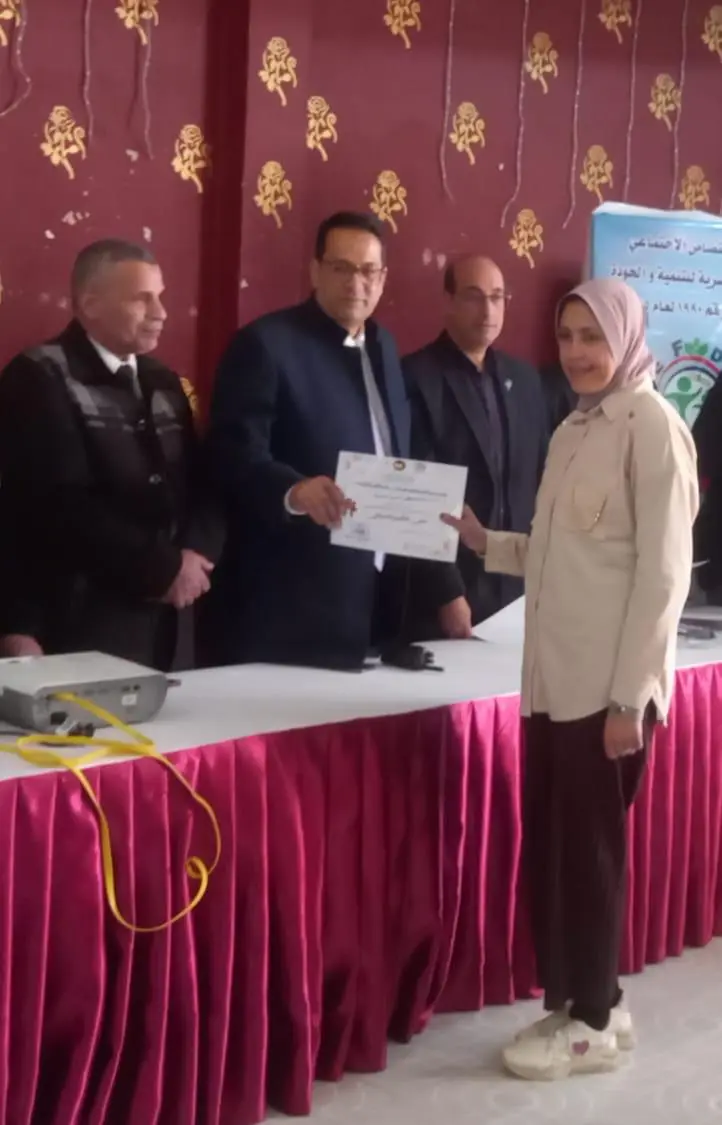
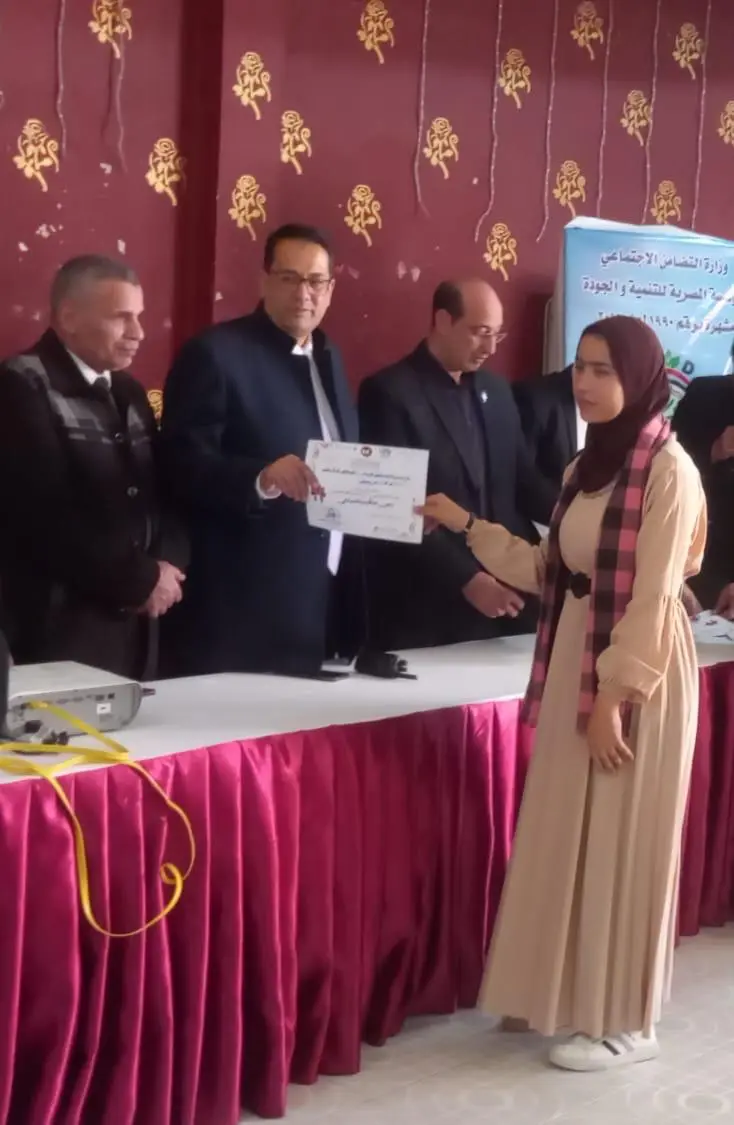
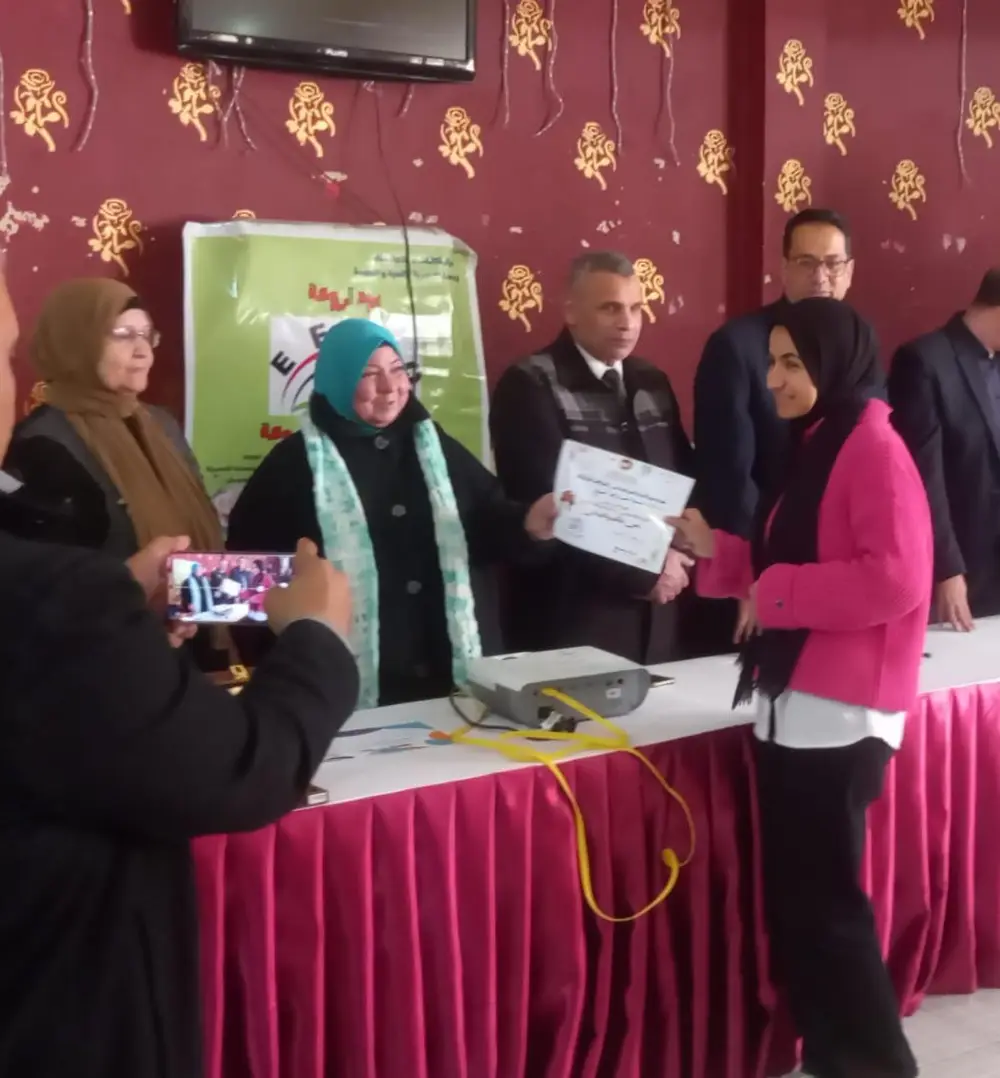
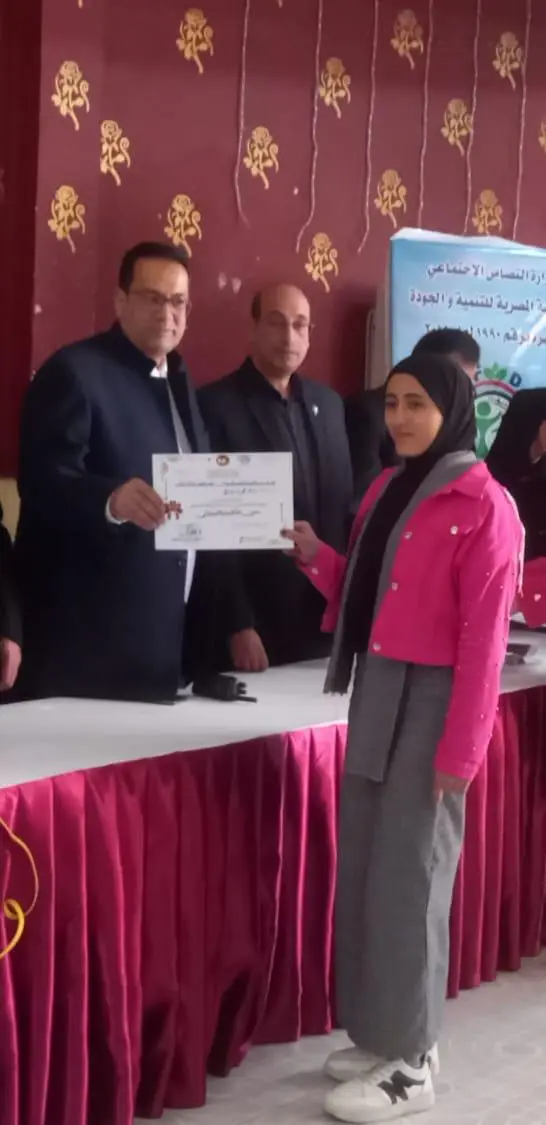
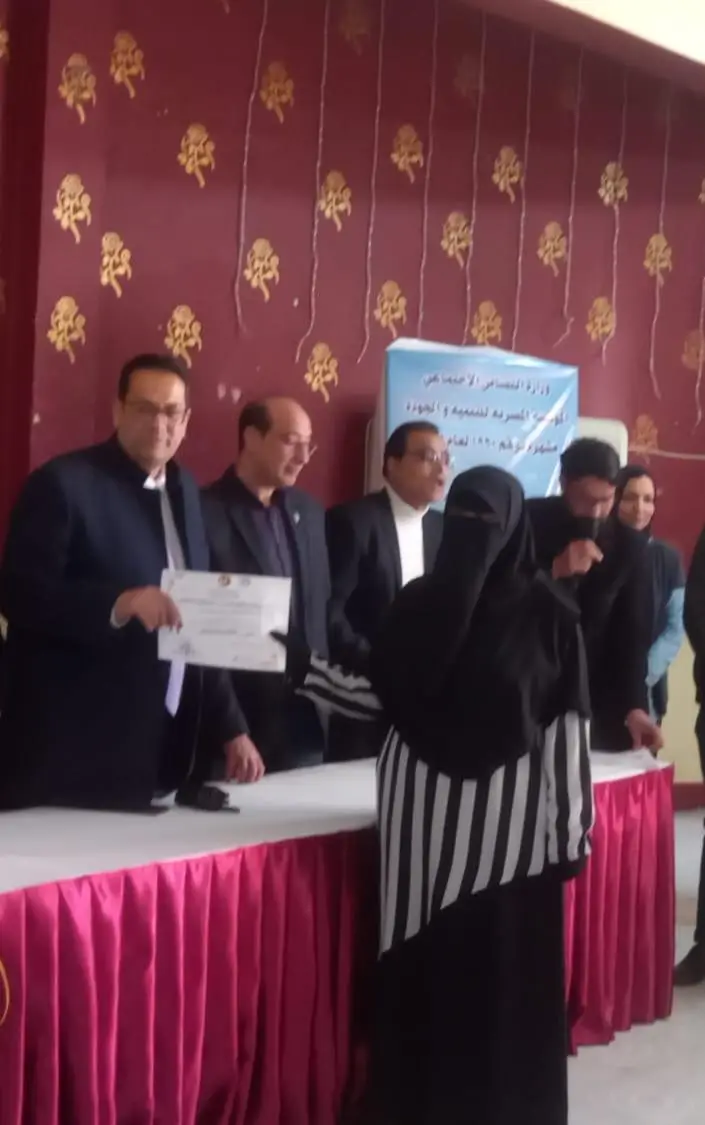
Gharbia education takes on the task of preparing its students for the labour market
Leaders working for excellence in Gharbia's education: Mr Nasser Hassan Ismail - Undersecretary of the Ministry of Education in Gharbia
_____
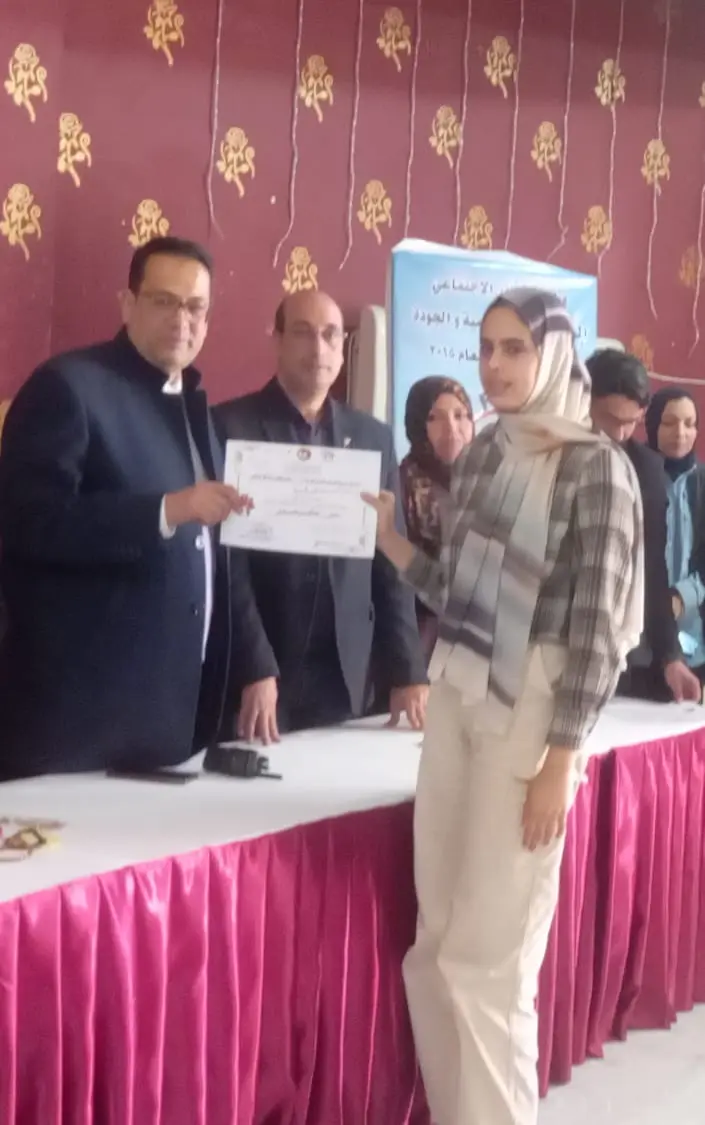
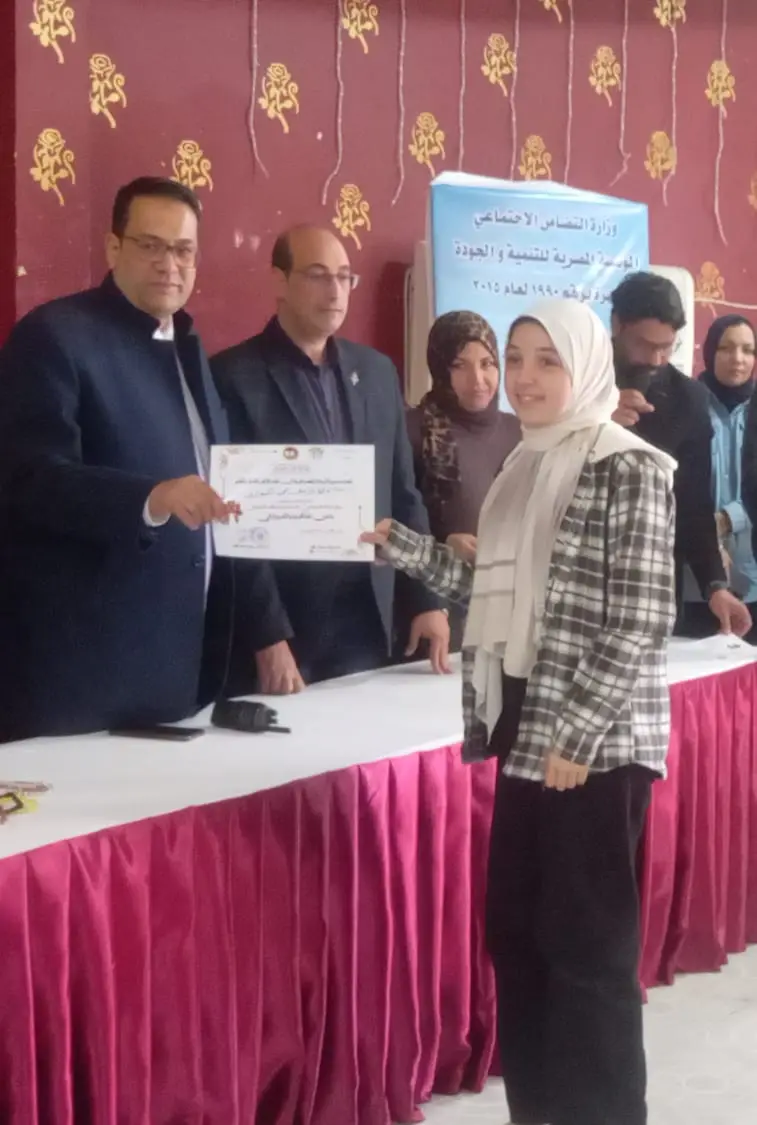
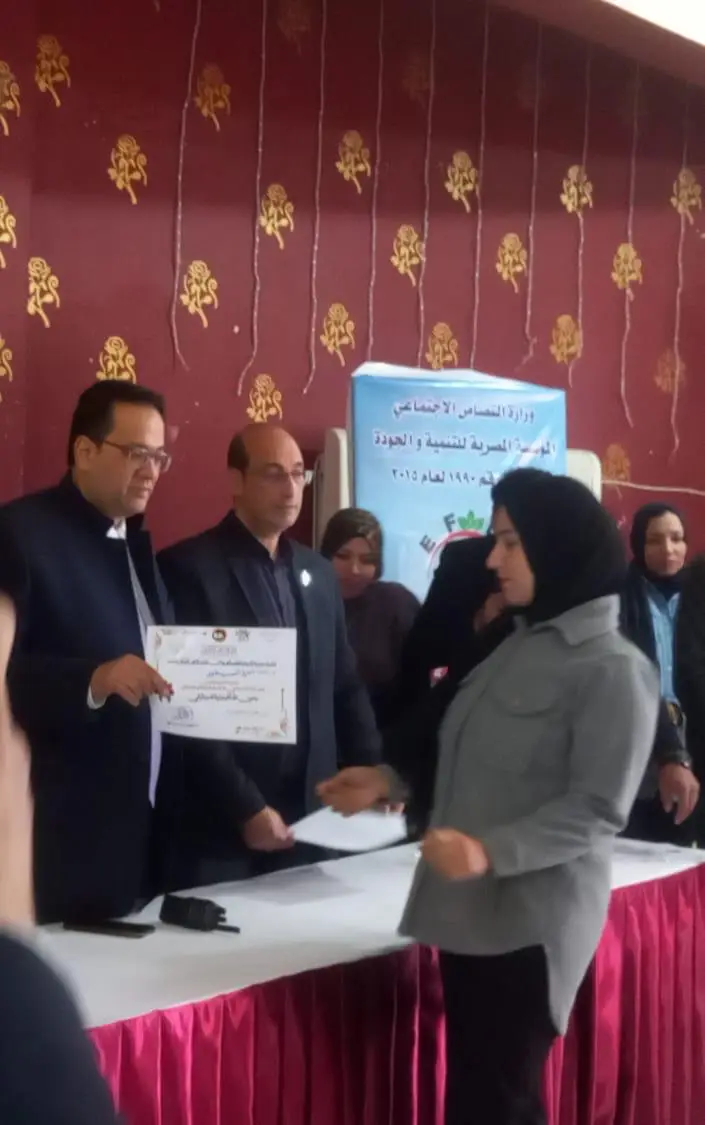
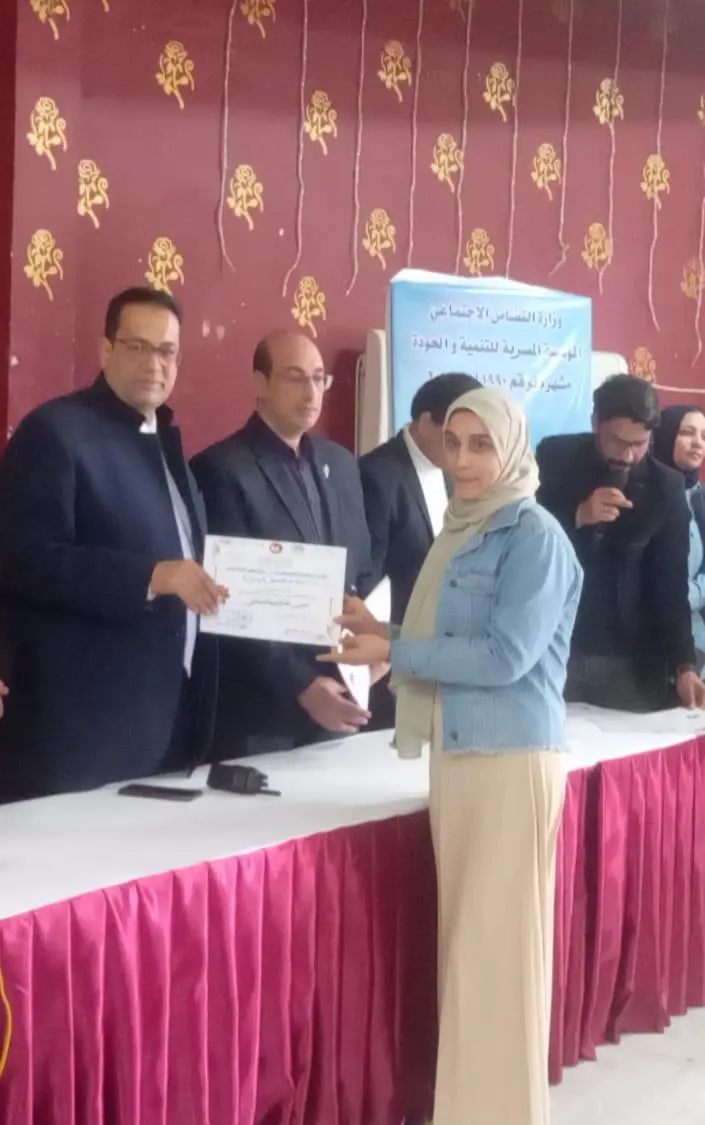
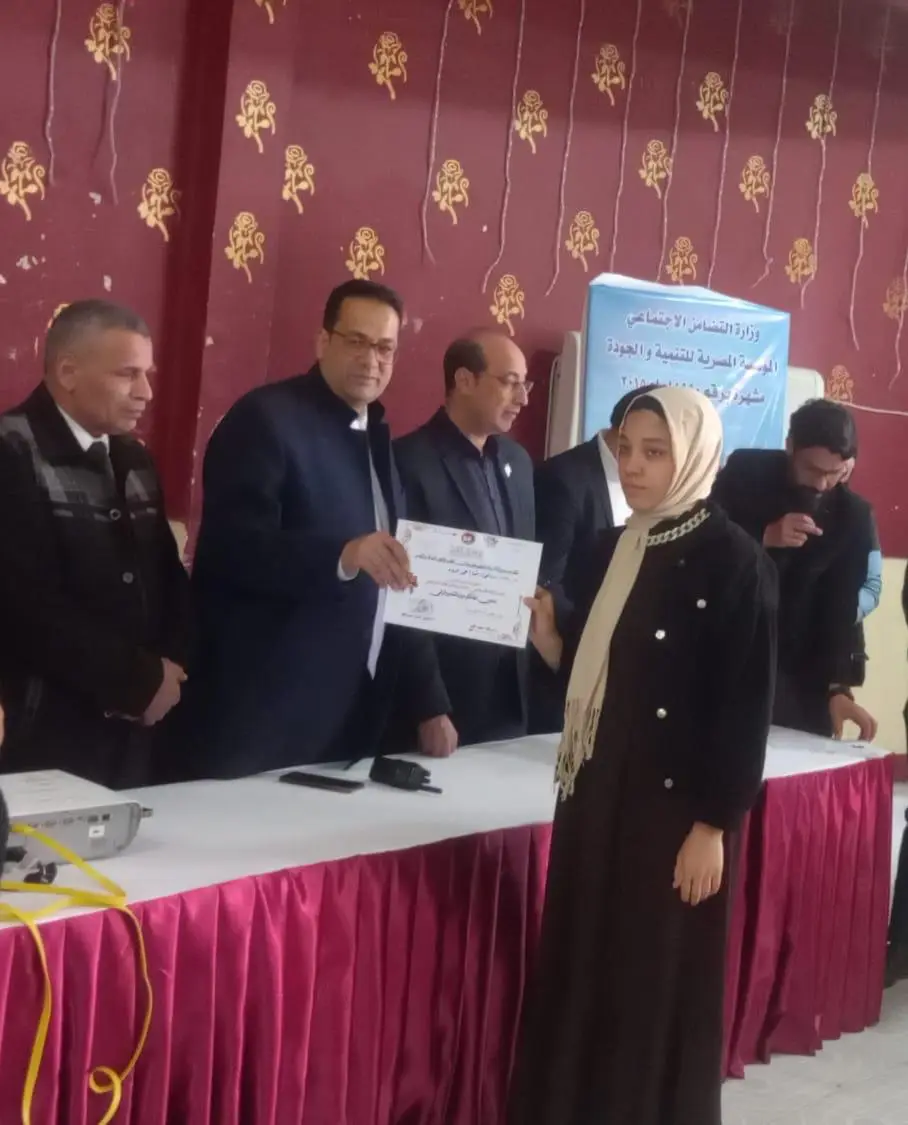
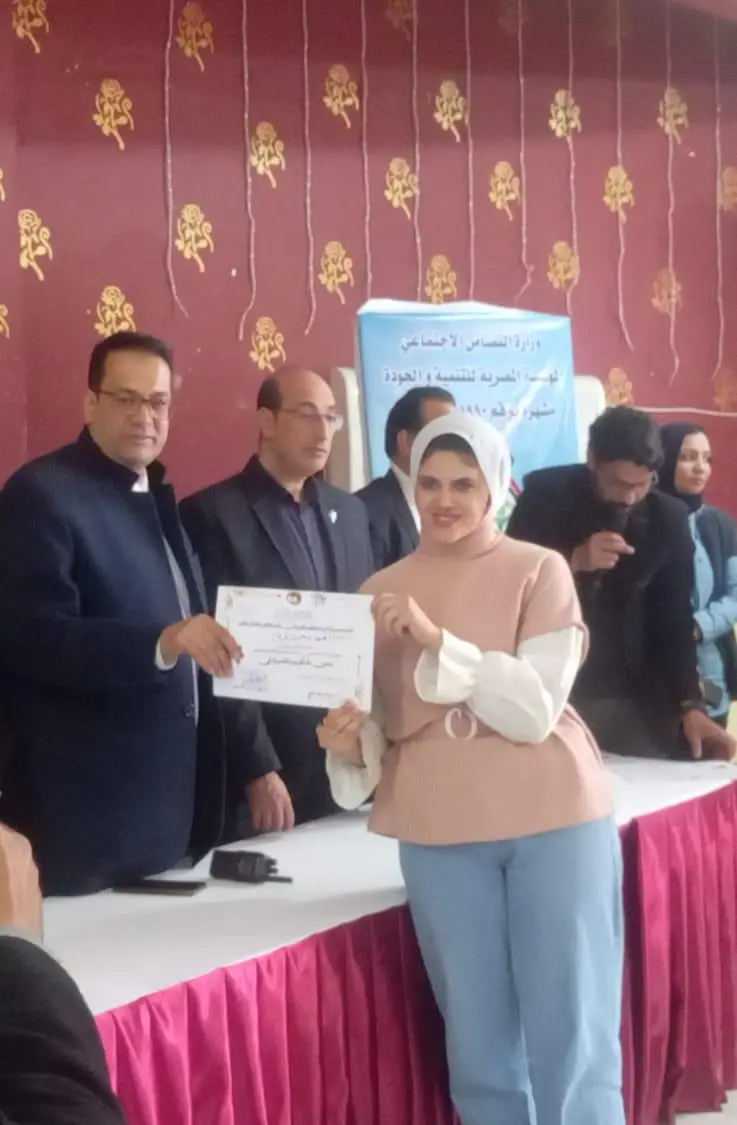
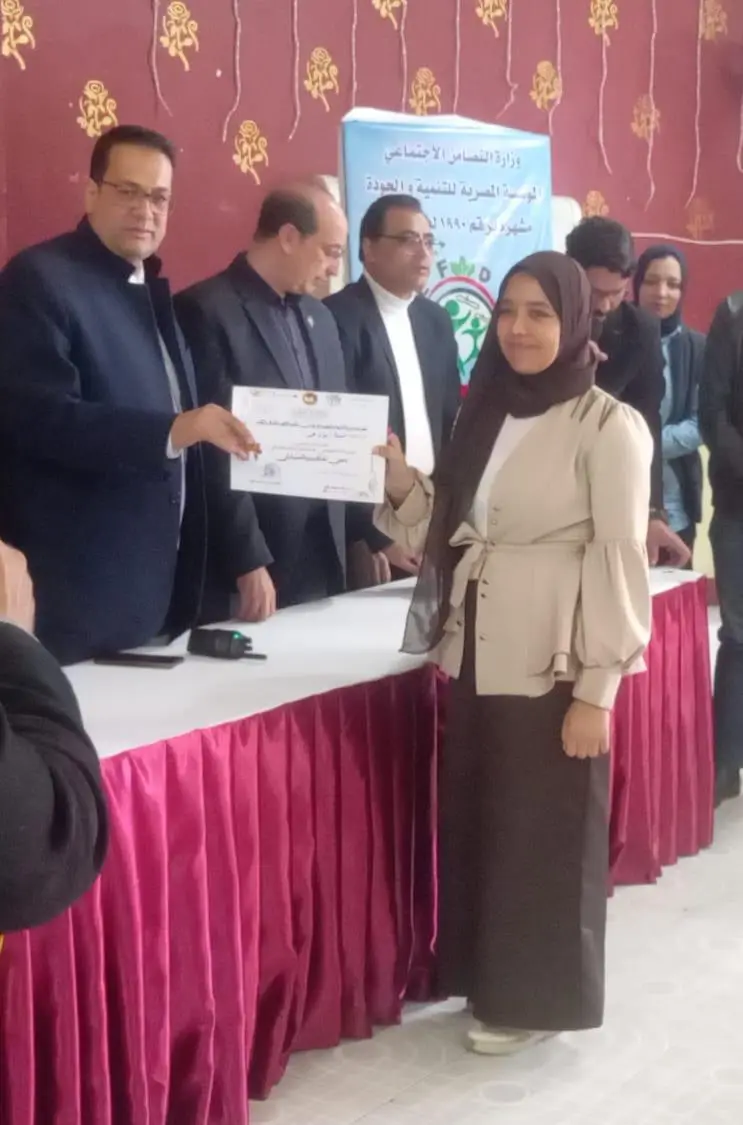
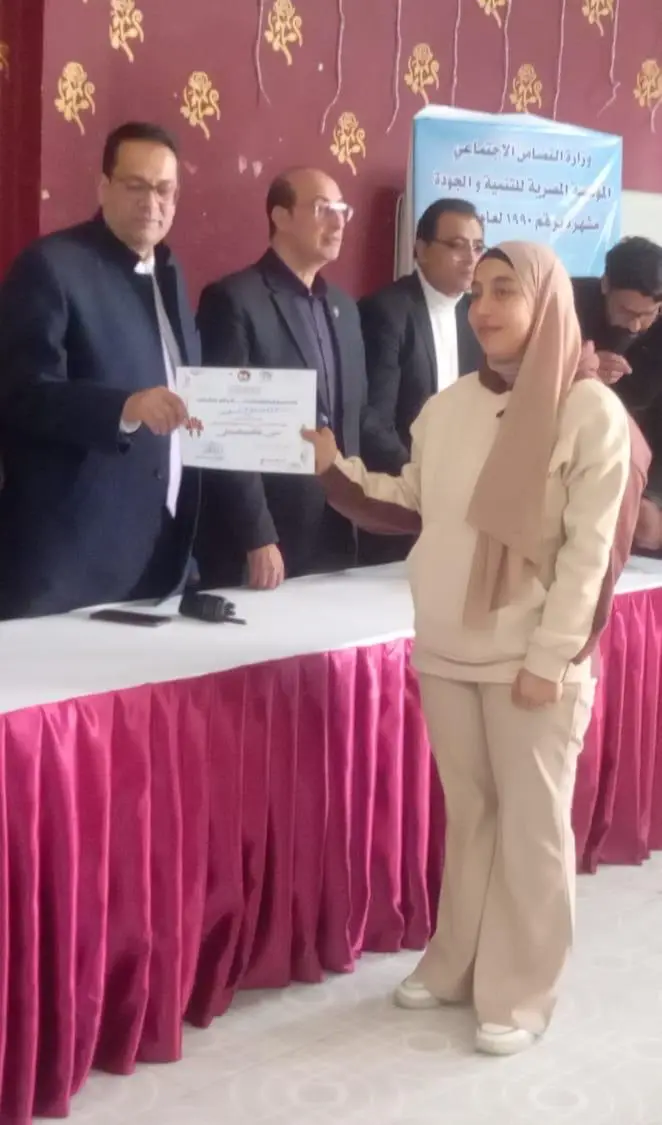
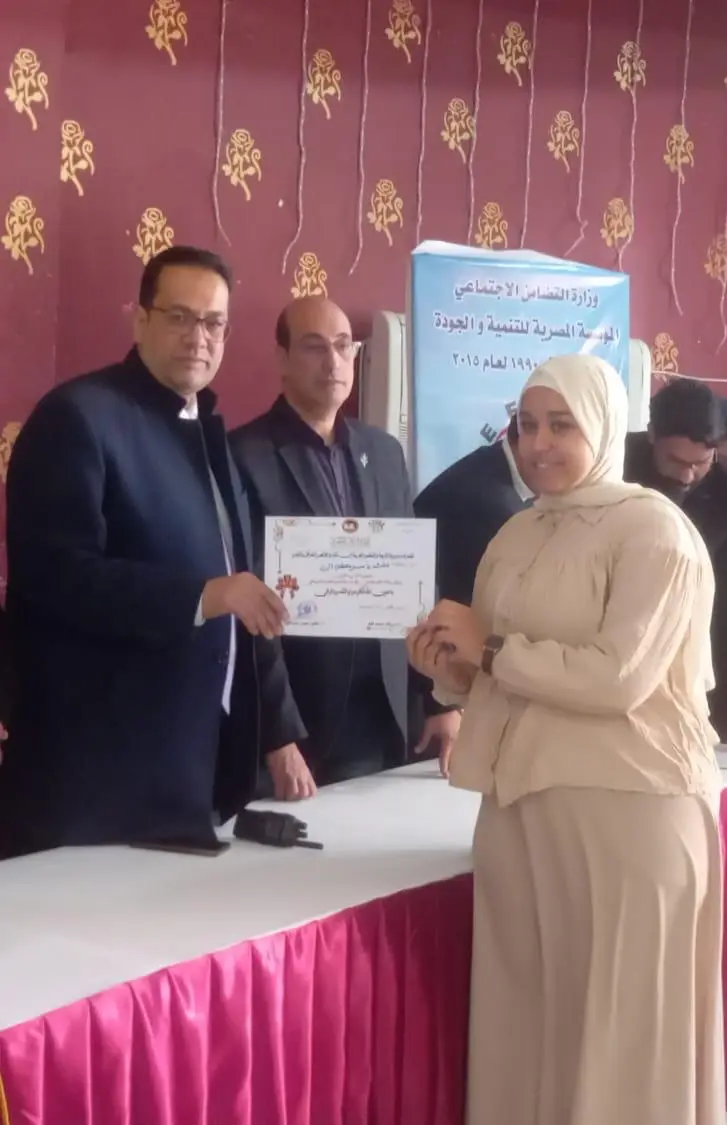
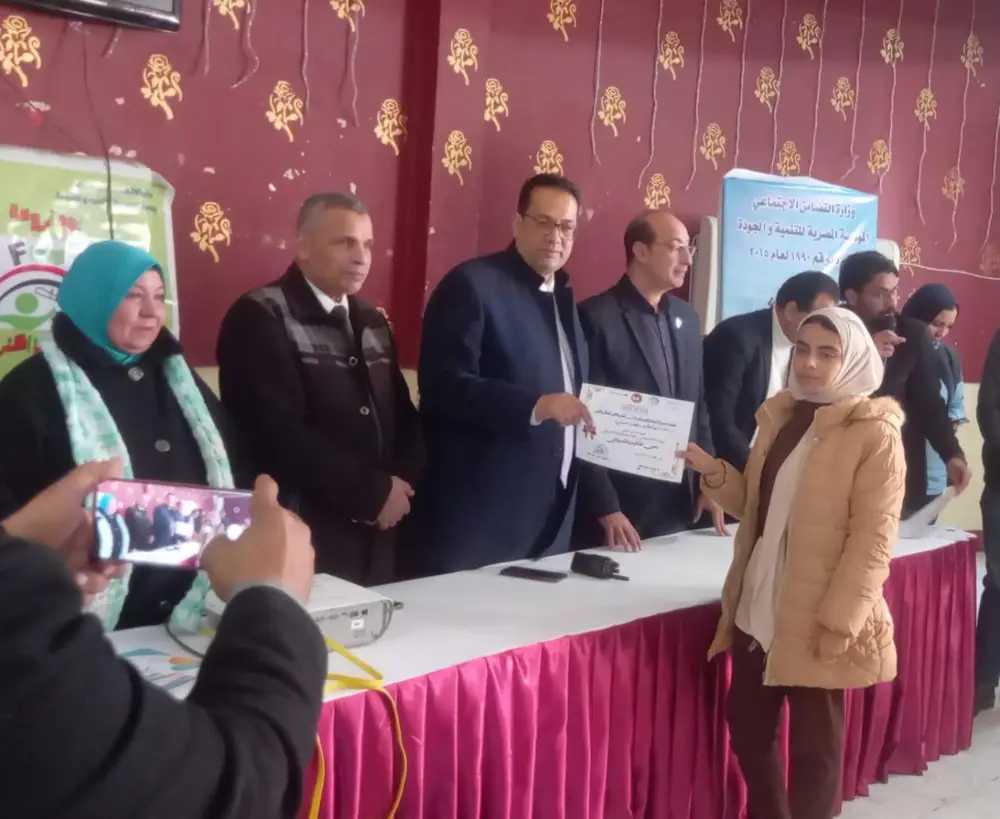
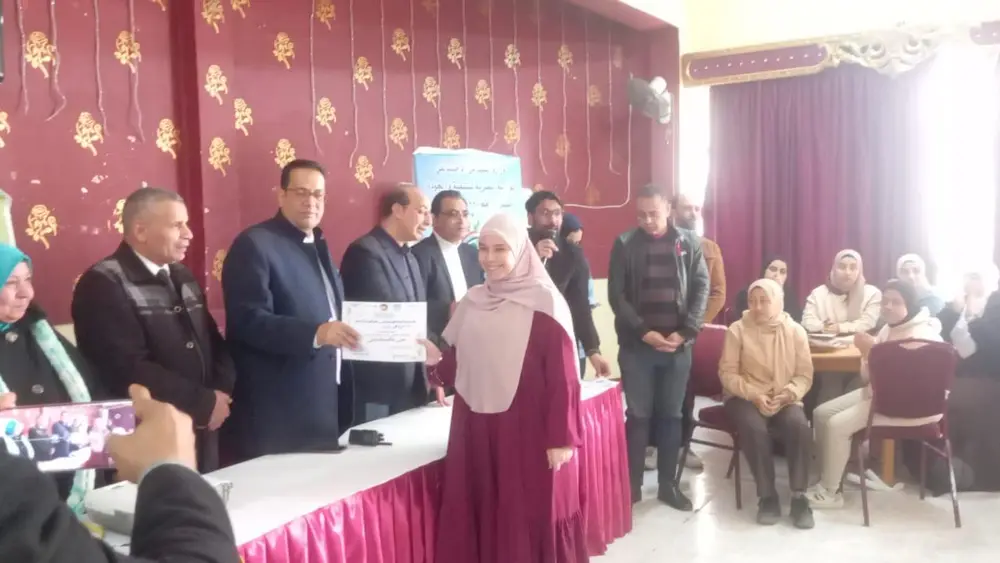
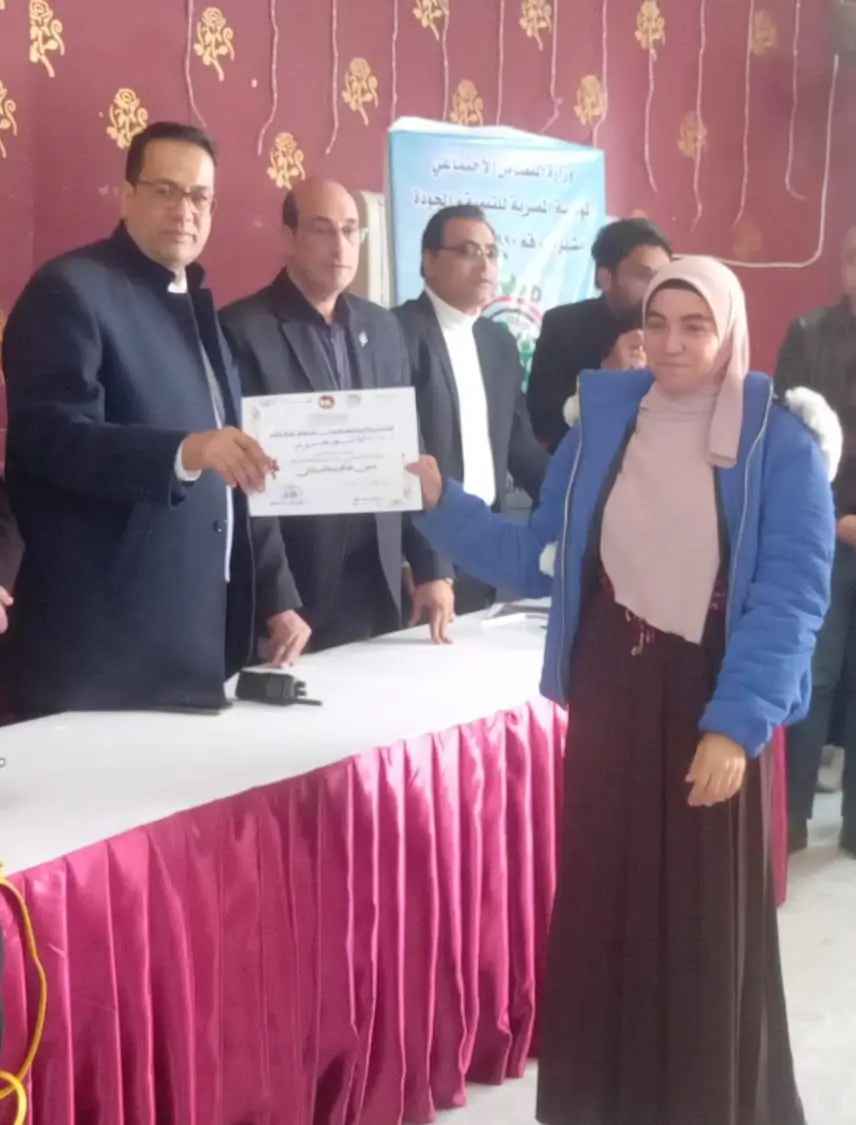
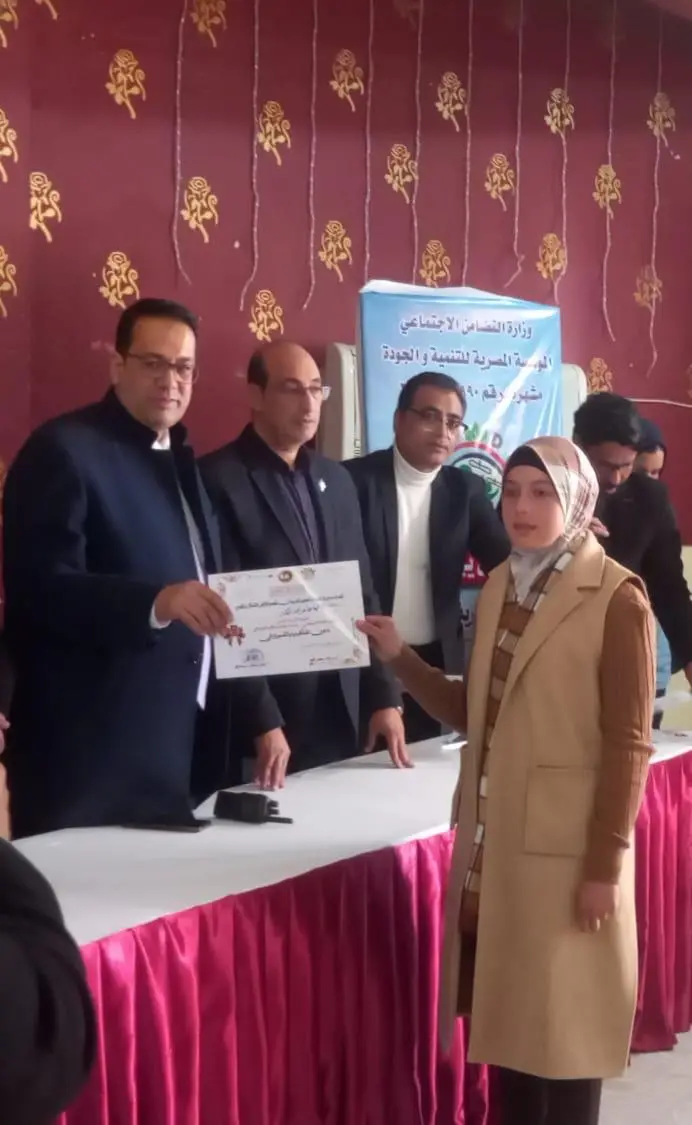
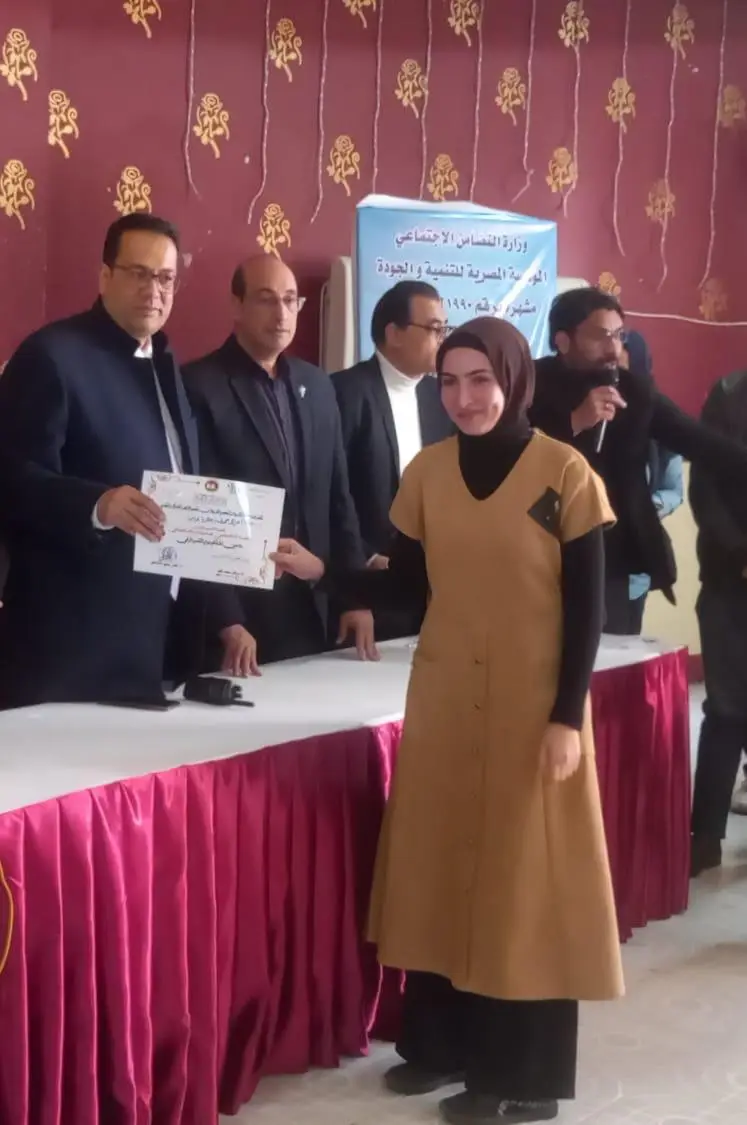
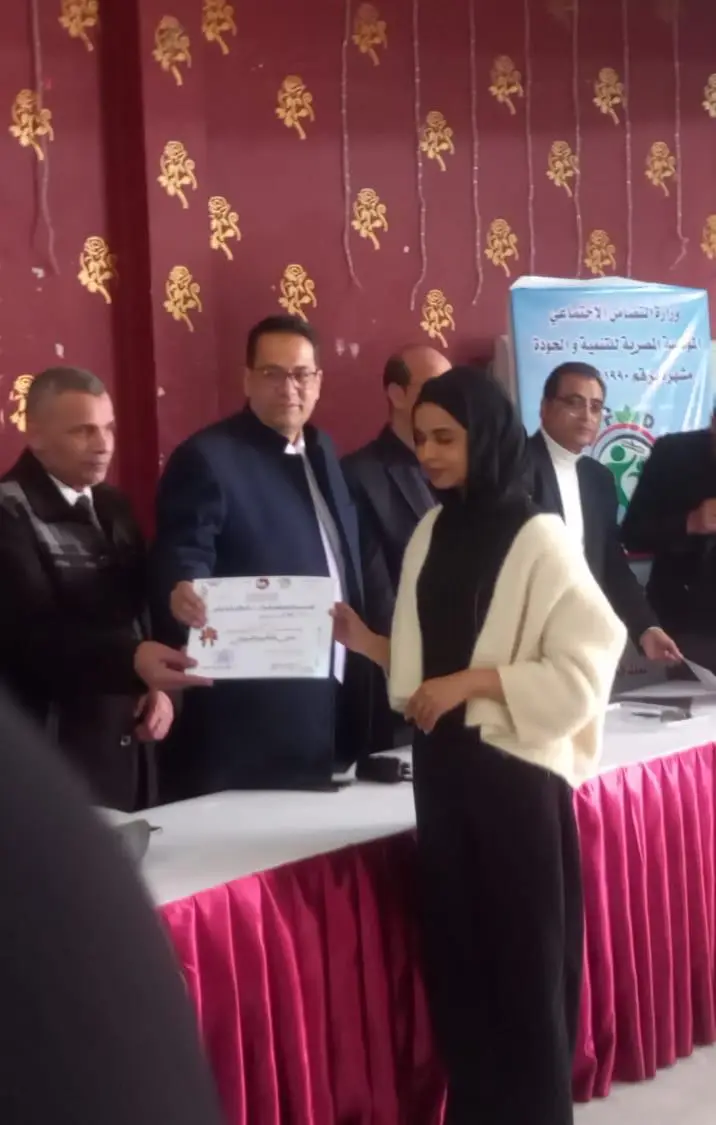
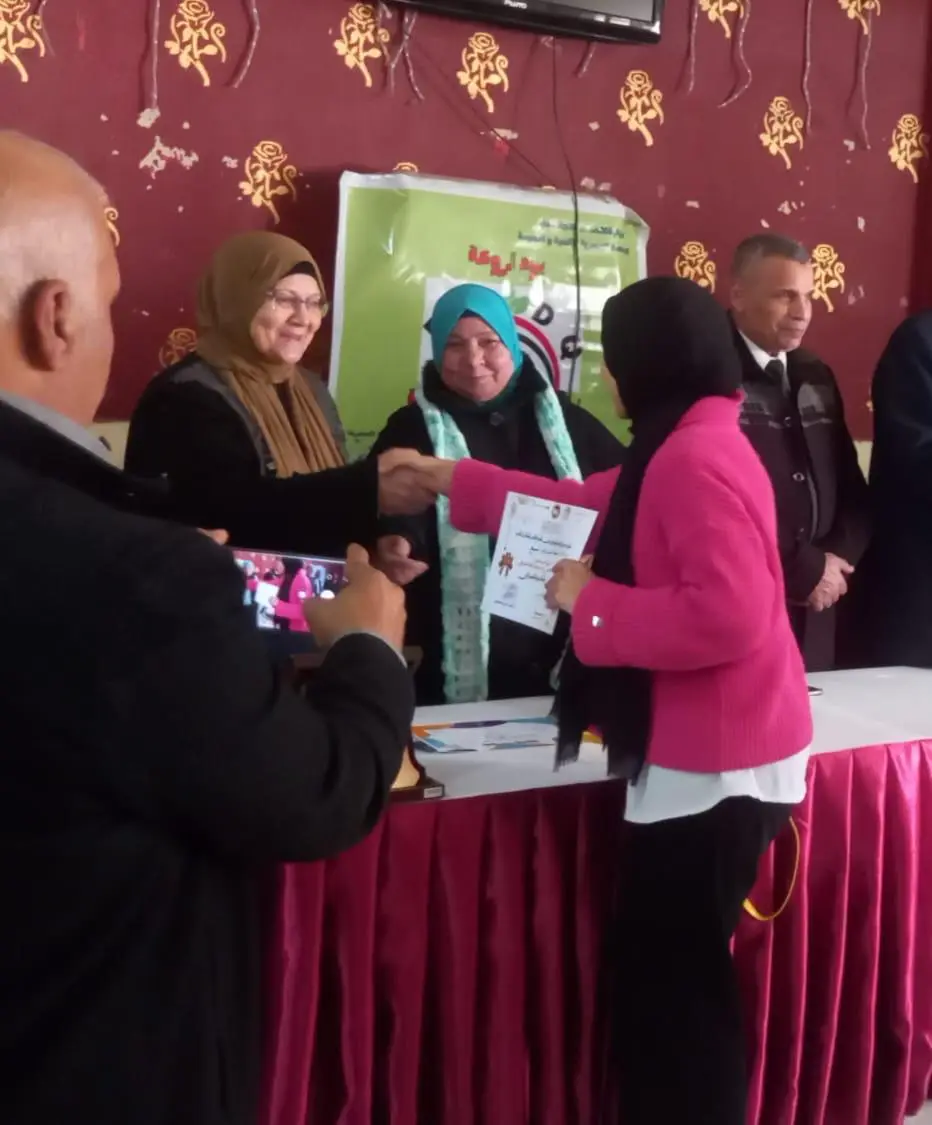
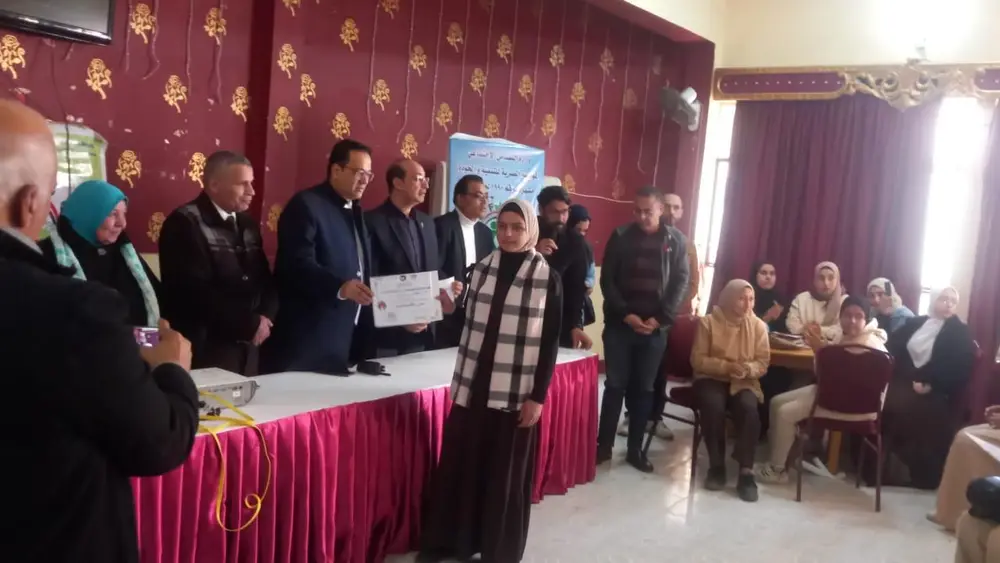
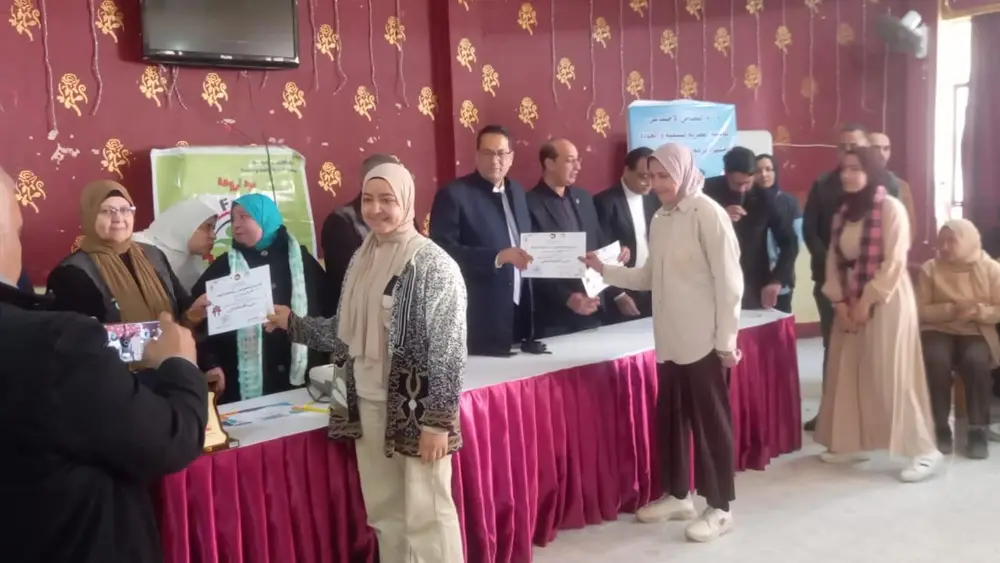
In a distinctive initiative, the Egyptian Foundation for Development and Quality - a non-governmental development organisation - worked with the Transition to Work Unit to deliver the Artificial Intelligence and the Labour Market project, preparing young women for the labour market and for twenty-first-century skills. A training pack was designed (prepared by Dr Om Kolthoum Mady, Dr Marwa El-Sayed, Dr Heba Younes, Mr Mostafa Saeed, Ms Hanem El-Hashash and Mr Mohamed Fahmy), and delivery was supervised and monitored by Eng. Ahmed El-Hawary
The training covered artificial intelligence
*Defin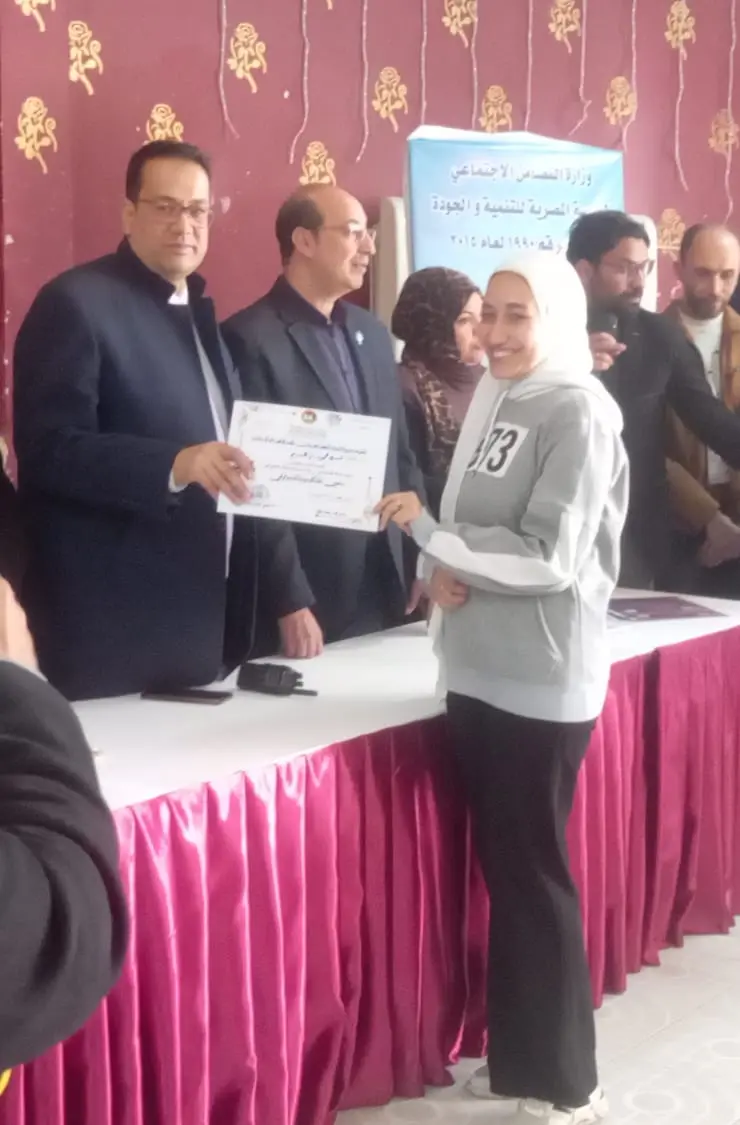










 ition of artificial reality:*
Artificial reality is a simulated environment representing a virtual world, built on technology to create interactive experiences that mimic the real world or create new worlds.
- *Artificial reality technologies:*
- *Virtual reality (VR):* provides an interactive three-dimensional experience that immerses the user in a virtual world.
- *Augmented reality (AR):* combines virtual elements with the real world to improve the user experience.
- *Mixed reality (MR):* brings virtual and augmented reality together to create an integrated experience.
- *Applications of artificial reality:*
- *Games:* immersive, realistic gaming experiences.
- *Training and education:* using interactive media to improve training.
- *Medicine and healthcare:* improving the diagnosis of disease and the training of surgeons.
- *Design and engineering:* running virtual trials to develop products and design buildings.
- *Challenges of artificial reality:*
- *Integrating technologies:* the difficulty of combining virtual reality technologies smoothly.
- *Equipment:* the cost of the equipment and devices that support artificial reality experiences.
- *Security and privacy:* the need to protect data and keep users' experiences secure.
- *Future trends:*
- *Technological development:* continued improvement of the technology to deliver more realistic experiences.
- *Wider use:* greater integration into a range of fields such as business and shopping.